What We Shoot
Outdoor Session Types


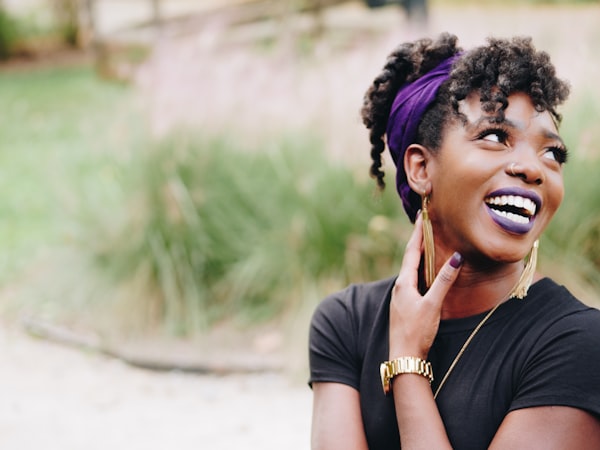

From the mist-covered ridges of Mount Kenya to the shores of the Indian Ocean — we bring professional photography wherever the landscape calls. Every environment tells a story. Let us capture yours.
What We Shoot
The Craft Behind It All
Outdoor photography is a discipline unlike any other. Unlike the controlled environment of a studio, every outdoor shoot is a negotiation with nature — and nature rarely cooperates on cue. Wind, rain, harsh midday sun, rugged terrain, unpredictable wildlife, and rapidly shifting light are not obstacles we avoid. They are conditions we are trained to master. Here is how we navigate every challenge the outdoors presents.
Kenya's highland regions — particularly around Nyeri, Nyahururu, and the Aberdares — are known for fast-moving cloud cover and afternoon rain showers that can arrive without warning. Near the coast, humidity and sudden storms are equally common. Bad weather is not simply inconvenient; it can destroy unprotected equipment and invalidate hours of planning. Yet overcast skies produce some of the most flattering, even light imaginable — diffused like a giant softbox across the entire landscape. We train to see weather as a creative tool, not a threat.
Some of the most breathtaking photographic locations in Kenya are not easily accessible. The rocky outcrops around Hell's Gate, the forested slopes of Karura, the tea fields of Limuru, and the volcanic landscapes near Longonot all require the photographer to carry full professional equipment across uneven, steep, or muddy ground. Tripods, multiple lens systems, portable reflectors, and backup batteries must all travel with the photographer — and stability is essential to sharp imagery in challenging light conditions.
Equatorial sunlight at midday is among the most technically demanding lighting conditions for portraiture. Positioned almost directly overhead, it creates deep eye socket shadows, unflattering nose shadows, and washed-out skin tones. This is compounded near the equator, where the sun angle is extreme year-round. Conversely, flat overcast light on a grey day can render images looking dull and lifeless without skilled use of supplemental lighting. Neither extreme is good — professional outdoor photographers work the edges of the day and bring supplemental light sources when needed.
Wind is perhaps the most underestimated challenge in outdoor photography. For portrait shoots, it disrupts carefully composed hair, blows fabric out of position, and causes subjects to squint or turn away from the camera. For landscape-portrait composites, wind introduces motion blur in background elements that can clash tonally with a sharp subject. Near the coast — particularly Mombasa and Malindi — sea breezes are near-constant and can reach speeds that make long-exposure work nearly impossible without specialised stabilisation. Highland areas like the Aberdares frequently experience powerful gusts at elevation.
Outdoor shoots in Kenya's parks, reserves, and forest areas come with the very real presence of wildlife — from curious vervet monkeys and baboons in the Nairobi arboretum to buffalo and elephant in peripheral conservancy areas. Even smaller creatures — bees, safari ants, and mosquitoes — can quickly disrupt a shoot and cause real discomfort to clients. Wildlife encounters require calm, decisive action and a thorough pre-shoot risk assessment. Permits and ranger escorts are mandatory in gazetted wildlife zones and are always arranged in advance for any session inside such areas.
Urban outdoor shoots — along Nairobi's CBD, at Uhuru Park, the Arboretum, or the coastal waterfront — present the constant challenge of managing uninvited people in frame, dealing with curious onlookers, and maintaining client composure and privacy in public settings. Popular outdoor locations on weekends can become extremely congested, making careful timing and positioning essential. Additionally, in Nairobi's neighbourhoods, photography in certain areas may attract attention that requires sensitive handling and, in some cases, prior engagement with local authorities or estate management.
Professional photography equipment represents a significant investment and is not immune to the rigours of field work. Dust ingress from unpaved roads near Kajiado or the Rift Valley floor can infiltrate lens mechanisms and sensor chambers. Water exposure from unexpected rain or coastal spray near Diani and Malindi risks corrosion and electrical failure. Dropping a camera on rocky terrain, or having a tripod collapse on an uneven surface, are real risks that every outdoor photographer must plan around. Battery performance also degrades significantly in cold highland conditions — important for early morning shoots on Mount Kenya's slopes.
Unlike a studio where everything is controlled and clients feel safe, outdoor locations introduce a whole new psychological dimension. Clients can feel exposed in open spaces, self-conscious in front of passersby, physically uncomfortable in the heat or cold, or anxious about ruining clothing in a muddy or dusty environment. Children in particular can become unpredictable and uncooperative outside familiar surroundings. A skilled outdoor photographer must function simultaneously as a creative director, mood manager, comedian, and guide — ensuring every subject feels relaxed, confident, and genuinely present during the shoot.
Our Process
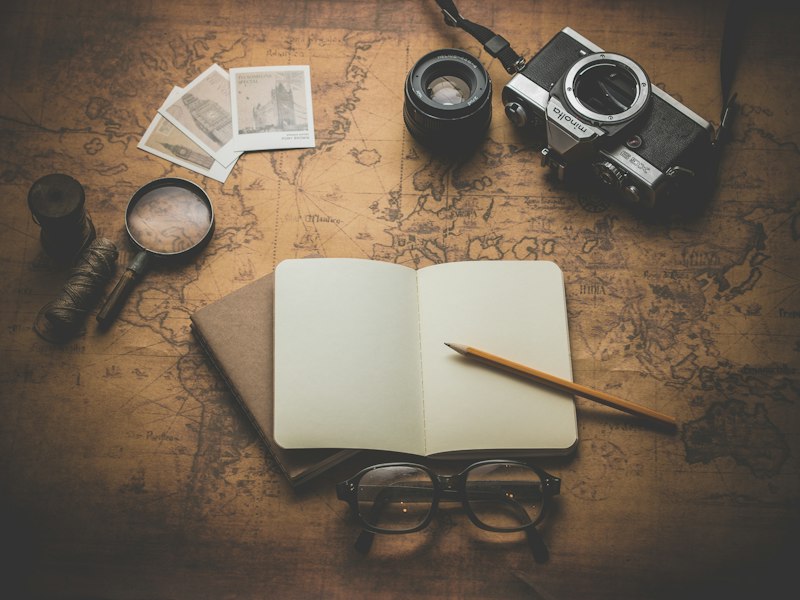
A great outdoor session doesn't happen by accident. It is the product of deliberate planning, extensive experience with Kenyan landscapes, and a deep understanding of how light, weather, and environment interact with the human subject. Here is our pre-shoot process for every outdoor assignment.
We discuss your vision, preferred aesthetic, and any specific locations in mind. If you don't have a preference, we recommend locations suited to your session type — beaches for relaxed couples, highland forests for dramatic environmental portraits, urban parks for lifestyle shoots.
For premium and signature packages, we conduct a physical location scout before your session day. We identify the best shooting angles, light directions, access routes, and contingency positions. All necessary location permits, entry fees, and KWS approvals are arranged and paid in advance.
We track weather forecasts closely in the days leading up to your shoot. Session start times are calibrated to catch the optimal golden hour light for your location. Backup dates are pre-agreed to eliminate any pressure on the day.
You receive a detailed pre-shoot guide covering what to wear, how to prepare your hair and makeup for natural light, what to bring, what to avoid, and what to expect during the session. We remove all uncertainty so you arrive relaxed and confident.
Every outdoor kit includes primary and backup camera bodies, a range of lenses from wide to telephoto, portable lighting gear, stabilisation equipment, weather protection, and a fully charged battery set. Nothing is left to chance.
Understanding Light

The first hour after sunrise delivers warm, horizontal light that paints subjects in rich amber tones and creates long, dramatic shadows across landscapes. This is the premier shooting window for outdoor portraiture. The air is still calm, locations are uncrowded, and the quality of light is unmatched at any other point in the day. For highland areas like Nyeri and Nanyuki, morning light reflects off dew-covered vegetation for an ethereal, luminous quality that is impossible to replicate artificially. We recommend morning sessions for couples, families, and any client seeking the most flattering, cinematic portrait results.
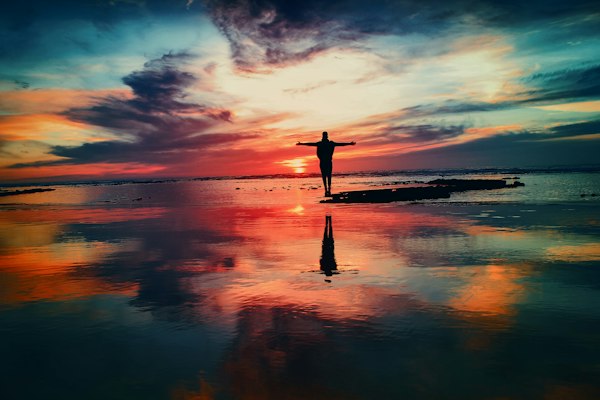
The final hour before sunset mirrors the morning in light quality but carries a distinctly different emotional tone — warmer, more orange-red in hue, and often accompanied by atmospheric clouds that scatter and diffuse the light beautifully. The coastal evening light over the Indian Ocean is particularly extraordinary, as the low sun skims across the water and wraps subjects in a warm, directional glow that no studio setup can replicate. Evening golden hour sessions are ideal for romance, celebratory, and dramatic editorial work. The Kenyan equatorial sky also produces some of the most spectacular sunsets on the African continent, frequently providing a natural backdrop that requires no post-processing enhancement.

A misconception held by many clients is that a cloudy day ruins an outdoor shoot. In fact, full cloud cover creates what photographers call the world's largest softbox — an even, shadow-free, diffused light source that wraps subjects uniformly from all directions. This light is extraordinarily flattering for skin tones, eliminates the harsh shadows of direct sunlight, and allows far greater flexibility in choosing shooting positions throughout the day rather than being locked to a short golden window. Highland Kenya — particularly Nyeri, Muranga, and the Aberdare foothills — frequently enjoys this type of light, making it an excellent year-round outdoor photography destination. Overcast sessions are particularly recommended for skin-tone-forward work, maternity shoots, and detailed editorial portraiture.
Where We Work


What We Carry
Every outdoor session is packed with full professional kit — not consumer gear pressed into service. Our outdoor kits include full-frame mirrorless camera bodies with dual card slots for redundancy, a curated selection of prime and zoom lenses covering wide to telephoto ranges, portable off-camera flash and LED continuous light systems for fill and creative lighting, carbon fibre tripods, neutral density filters for long-exposure creative work, and complete weather protection for all equipment. We also carry portable studio-quality reflectors, on-location preview monitors, and dedicated power banks to ensure our equipment remains fully operational through extended field sessions.
Your Questions, Answered
Outdoor photography is a different experience from a studio session. Here are the most common questions our clients ask when booking an outdoor shoot — and our honest, detailed answers.
Transparent Pricing
Our Work


From Our Clients
"We did our engagement shoot in Karura Forest at sunrise. The light was unbelievable and our photographer knew exactly where to position us. These photos are the most beautiful we've ever seen of ourselves."
"I was nervous about shooting outside because I thought the weather would ruin everything — it was overcast and I nearly cancelled. The photographer convinced me to continue and the photos came out softer and more beautiful than anything I'd seen. I'm so glad I didn't reschedule."
"Family of six, two toddlers included. Somehow they kept everyone engaged, laughing, and looking great at the same time. The Expedition package was worth every shilling — we have photos I will print and frame for the rest of my life."
Let's Get Outside
Whether you have a specific location in mind or want our recommendation, reach out today and we'll plan the perfect outdoor session together. WhatsApp is the fastest way to connect — our team responds within a few hours and we're happy to discuss your vision before you commit to a booking.